
Advice
Missing Pet Advice
Having assisted in reuniting missing pets with their owners for more than two decades, we would like to share our top 10 tips for an effective search.
1 of 10
Tell us: report your missing pet

By reporting your lost pet on our website for free, you are taking a essential step towards being reunited with them. The reporting process is completely cost-free and comes with numerous benefits.
Awareness
An immediate alert will be sent to local Pet Watch volunteers in your area, part of a network of over 86,000 people nationwide, increasing the chances of finding your lost pet.
Advice
Receive accurate guidance when your pet goes missing with our round-the-clock, year-round support. We are here for you whenever you need us.
Ways to contact us:
- Phone
- Website
- Social Media
- Live Chat
Auto-Match
Our unique auto-match service cross-references all reported lost pets with those reported as found by our users. If a match is found, you will receive an immediate email notification.
Alliance
Our partnership with the RSPCA ensures that all pets discovered by their inspectors will be solely listed on our website, boosting the number of potential matches made through our exclusive auto-match service.
How to report
Reporting your missing pet with us is quick and easy.
- Create an account
- Enter your pet's details
- Report your pet as missing
And the best part? It's all completely free of charge.
2 of 10
Search
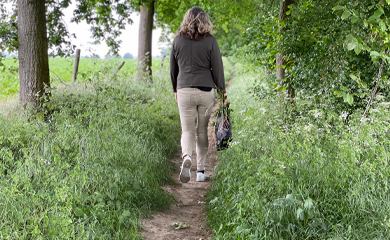
A physical search for your pet is crucial to reunite with your furry friend.
Start by inspecting the usual spots your pet frequently visits, and walk along their usual route to spot any alterations in the area that may have deterred your pet from returning home. This could include new pets in the vicinity or recent construction work nearby, which can unsettle your pet and lead them to wander beyond their usual boundaries.
Here are some pointers from our dedicated Missing Pet Search Team on how to locate your pet:
Calling out
To begin your search, start from the outskirts of the area where you suspect your pet might be, then walk towards your home while calling out.
It's advised not to walk away from your home while calling out, as this might lead your pet in the wrong direction if they are already between you and your home.
Call out using your usual tone and stay composed. Pause your walk occasionally to listen for any response, especially if your pet is in a confined space like a garage or an empty property.
In case your pet is injured and unable to approach you quickly, stand still for about five minutes and call out. If there's no response, move to a different spot and repeat the process.
Sean from our Missing Pet Search Team insists that the time of day plays a crucial role.
"It's advisable to call for your pet during peaceful times. I suggest early mornings or late evenings. This allows you to pick up on any faint responses. Additionally, try to go out when your pet is usually most active. Aligning your search with your pet's regular routine will help you find them based on their unique behavior."
The environment around you
Take note of any vacant houses for sale or rent on your street or in the surrounding area. Contact estate agents to enquire about cat flaps in these properties that your pet might have entered but is unable to exit. Empty properties often have open windows before viewings, providing an opportunity for pets to sneak in unnoticed.
If any neighbors are away on vacation, your pet could have accidentally been trapped inside their home, garage, or shed. Keep an eye out for any signs and notify the homeowner promptly.
Ask neighbors to inspect sheds and outbuildings as pets often hide in such places when frightened. Stay with them during the search to ensure thorough checking. Encourage neighbors to keep their sheds, garages, and outbuildings open briefly to give your pet a chance to come out on its own. Having someone in the doorway can deter pets from feeling safe enough to emerge.
Inform local shops, restaurants, and takeaways about your lost pet as their large bin areas can provide shelter and food. These establishments are typically active during early mornings and late evenings, common times for lost pets to move about. Remember to scan high areas like trees and scaffolding where pets may get stuck and remain unseen. In inclement weather, pets seek shelter in warm, dry spots and may remain still for extended periods. Search for your pet in dry, cool weather to increase the chances of spotting them on the move.
Equipment
Having the correct equipment is essential for a successful reunion. After a positive sighting, using a humane pet trap can be very effective. These traps are baited with food, and once the pet enters, the door closes slowly behind them. Feel free to reach out to us if you want to learn more about traps and how to acquire one.
Juliet from our Missing Pet Search Team shares her experience with traps.
“Make sure you have put in your pet’s favourite food (ideally something smelly) to encourage your pet inside the cage. Cover the cage with your pet's blanket to mask the metal and attract them with familiar scents. Remember to monitor the cage frequently, ideally every hour, as any animal caught inside may become distressed quickly."
When pets experience stress, they may behave differently and enter a survival mode. This can result in them not recognising your voice or approaching you as usual. Using traps can be essential for capturing certain pets. Once they settle back at home and relax, they will likely return to their normal selves.
Creating a recording of yourself calling your pet in a calm and reassuring manner on a Dictaphone or mobile phone can be helpful to share with friends and family assisting in the search. They can play the recording during the search, hoping to attract your pet if it's nearby. Pets are more likely to respond to the sound of your voice than to unfamiliar voices. You can share the recording via Dictaphones or send a voice note on your mobile phone.
In case your dog goes missing, ensure that everyone has a collar and leash on hand. It's crucial to have the necessary tools to secure your dog once they are found.
3 of 10
Social media

Social media has a significant impact on locating lost pets by swiftly reaching a broad audience. However, understanding the essential information to include and presenting it effectively can pose a challenge for the best results.
Picture choice
Selecting the perfect photo is crucial. It's important to choose a picture that clearly depicts your lost pet, highlighting any unique markings, the coloration, and a clear shot of your pet's face. This will facilitate easy identification and accurate reporting of sightings. To boost engagement, consider including some adorable photos in your post to captivate the audience.
Caption content
Providing all the necessary details is important in informing the public about your lost pet and aiding in its identification if necessary.
Here are the key details we suggest:
- Pet's Name - We acknowledge this can be a sensitive topic. Nevertheless, we think it's valuable to disclose as it can engage people more in the search for your dog if they know its name.
- Date they went missing.
- Location. For safety reasons, we suggest you don’t post your full location. We recommend posting just the first part of your postcode and the number that follows and never mention your house/flat number.
- Brief details of how they disappeared: escaped through a door, startled by another animal etc.
- If your pet is chipped, neutered or wearing a collar when they went missing.
Here is a helpful template for your caption.
LOST PET TEMPLATE:
- MISSING 'ANIMAL TYPE'
- Location - YOUR AREA
- Name - NAME
- Chipped/Not Chipped
- Neutered/Not Neutered
- NAME was/was not wearing a collar
- Additional notes about behaviour/the look of your pet.
Importance of Social Media
The primary goal of social media is to connect with the local community. A great strategy to reach these individuals is by sharing content on local Facebook groups and online notice boards. If you are concentrating on Facebook, consider targeting your postcode area by using a 'boosted Facebook post'. This feature allows you to specifically reach people in your postcode area, providing an added advantage in reaching your target audience effectively.
Our digital campaign does this for you.
4 of 10
Posters & leaflets
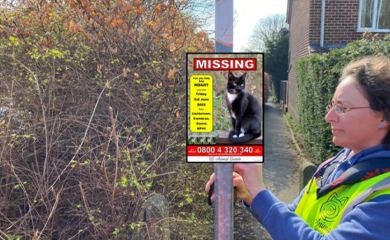
In our experience this is crucial to reuniting lost pets with their owners. The more material you can distribute the better as, of course, this means more people are aware of your missing pet.
How many do I need?
Around 20 to 50 good quality posters in your local area are recommended, but this depends on how built up your neighbourhood is and the likely search area.
A large quantity of leaflets are needed to cover a vast amount of ground. We recommend between 300-500. You can leave these in bulk in establishments for the public to take one home with them.
These can be displayed at:
- Bus stations/stops
- Street intersections
- Shop windows
- School receptions
- Lamp posts
- Surgery waiting rooms
- Pubs/restaurants
- Neighbours house and car windows.
- Local takeaways
Where do I display posters?
Putting up posters without local council permission can be considered as ‘fly-postering’, which can face you with a fine. The vast majority of local councils and neighbourhoods will tolerate missing pet posters, so long as they’re in good condition, not attached to trees or bushes (which can be damaged by the fixings) and removed after a ‘reasonable’ time. Each area will have its own interpretation of ‘reasonable’ time, however we suggest between 4 and 8 weeks would normally be acceptable.
Posters printed on standard paper will deteriorate quickly. This could become unsightly to your neighbours, or your local Environmental Health Officer, and be counter-productive to your search, so try and ensure any in bad condition are replaced quickly.
Our Missing Pet Posters and Leaflets ensure that all posters are in excellent condition, professionally designed and printed, weatherproof and anti-vandal – they’re almost impossible to rip – and consequently look great until you take them down. They come with our unique patented clips that do not damage the post they’re attached to and ensure the poster is displayed flat, as opposed to curved round poles. See our printed and digital campaigns.
Please remember that if you have pet insurance, often your policy will cover the cost of advertising for a Missing Pet.
What information should I include?
Similar to social media posts, you should carefully consider the information you put on your own posters and leaflets.
Here are some tips to help you:
- Do not disclose your full address or your house number.
- Do not disclose your personal phone number if you can avoid it. You can purchase a pay as you go sim to use temporarily. Our Missing Pet Posters and Leaflets include our own 0800 freephone number, which is answered by our 24 / 7 Owner Support Team based in Chester, UK, so they can filter out hoax and offensive calls before passing messages on to you.
- Do not advertise a reward value – it is okay to say you are offering a reward, but large, advertised cash rewards can encourage hoax callers and it could put your pet at risk of being stolen in the future. We suggest just stating ‘reward’ and avoid any mention of an amount.
- Do not advertise your pet's microchip number but do state if your pet is chipped.
- Do not mention the breed of your pet on your posters or leaflets as expensive pedigree breeds are more at risk of being stolen.
- If your pet is neutered, you should include this information as they cannot be used for breeding and may therefore be less desirable. If they are not neutered it is best not to mention this as it may increase their desirability due to the potential for breeding.
- Where possible, avoid using free-ad websites like Gumtree. We are aware of many people who have fallen victim to disturbing hoax calls after advertising their missing pets on these types of sites.
Keeping safe responding to sightings
It is important to keep yourself safe whilst responding to sightings of your pet.
- Always tell someone where you are going. If possible, go with a relative or friend, especially if you are going to someone's house or to an isolated area.
- Always take your mobile phone with you, and make sure it is fully charged.
- Do not carry large amounts of cash - rewards can be paid later. If the finder is genuine, they will not mind this and you can exchange details to make a bank transfer or arrange to meet up again for the reward to be paid. If you are insured your insurance company will let you know how they pay rewards. This is usually paid directly to the finder by cheque.
- If possible, drive to the location rather than walking or using public transport. As well as being safer, this also means that you will be able to get straight to a vet should your pet need it.
- Be extremely cautious of callers who repeatedly ask questions about your pet's value, or about a reward or money for information.
- Take a pet basket or carrier, a collar and lead if appropriate.
5 of 10
Leave a scent marker

Encouraging your missing pet to find their own way home and prevent them from wandering further away is done through scent markers. Placing scent markers around your property is a perfect way to help your pet to do this.
What makes a good scent marker?
Anything that smells like themselves or yourself and family. A smell your pet would come into contact daily works best.
Things you can use as a scent marker:
- Cat litter box
- Pet blankets
- Hoover contents - place in a bag and poke a few holes in the bag.
- Bedding
- Unwashed clothes
- Perfume/aftershave/deodorant sprayed onto an old tea towel
- Favourite pet toys (unwashed)
- Anything that smells like other pets that live in the home
How far does the scent reach?
Pets are known to have an excellent sense of smell, so they can smell this scent marker from quite a distance. It is highly likely that if your pet is within this radius they will not stray further away.
How often should a scent marker be replaced?
Scent markers should be refreshed weekly to ensure the scent is still strong. If it rains you will need to change your scent marker as the rain will wash away any scent, meaning they will not be as effective.
6 of 10
Vets & rescues
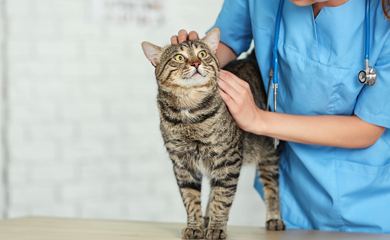
Local vets & rescues are the first place pets get taken when found. It is important they are aware of your missing pet and have contact numbers for you in case your pet gets brought into their establishment.
What information do they need?
Even though your pet may be microchipped, it is important to contact as many of your local vets and rescues as possible; this is often a condition of your pet insurance. If your pet is microchipped and the details are up to date, you will be contacted if they are handed in. However, if a person spots your pet but is unable to catch it, they may only be able to report the sighting, so it is best to be sure your local vets are aware that your pet is missing.
Important information to pass onto them:
- Detailed description of your pet- identifiable markings etc.
- If your pet is chipped (Microchip number) or neutered
- Type of pet and breed
- Sex of your pet
- Your contact details- Name, number and address
- Copy of your poster or leaflet
How many vets & rescues should I contact?
We recommend you contact all vets and rescues within a five-mile radius of where you believe your pet went missing to cover all potential establishments they could be taken to. Check in with them weekly to ask if they have had any sightings reported. It is valuable to build a rapport with local vets and rescues so they can help and support you during this time.
How can vets & rescues help me find my missing pet?
Leaving a stack of leaflets with local vets would be a great way to target your local community. In addition, other pet lovers who visit the surgery are likely to empathise with you and be keen to help. You can also ask your vet to share your poster on social media to help with awareness.
Pets found by the RSPCA are registered on our website: see our RSPCA alliance page.
7 of 10
Microchip company
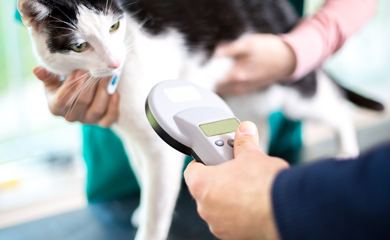
If your pet is microchipped you should always ring your microchip company to let them know your pet is missing; this is often a condition of your pet insurance. It is important to ensure all your information, including address and phone number, is accurate so that they can contact you if your pet is found.
How can my microchip company help?
For a small charge some microchip companies offer extra help, such as sending out an alert to all local vets. Reporting your pet as missing will lock the chip to prevent the details being changed which is important if you believe your pet may have been stolen.
How do I find out my microchip company?
You can find out who your microchip company is by searching on Petlog or by contacting your vet. When contacting Petlog you will need to know your pet’s microchip number.
| Company | Contact number |
|---|---|
| Animal Microchips | 01823 413 494 |
| Animal Tracker | 01279 219 777 |
| Chipworks | 0330 107 0958 |
| HomeAgain | 01954 774 433 |
| Identibase | 0330 912 8077 |
| Lost Paws | 01799 615 020 |
| MicroChip Central | 01223 790 100 |
| MicroDogID | 0207 822 0909 |
| My Animal Trace | 0330 223 6237 |
| MyPet | 0800 368 4150 |
| National Veterinary Data Service | 0330 123 9924 |
| Pet Chip Register | 0843 926 0026 |
| Pet Database | 0330 818 8558 |
| Pet Identity UK | 0800 975 1960 |
| Petlog | 01296 336 579 |
| PetScanner | 02392 987 260 |
| ProtectedPet | 01902 508 355 |
| SmartTrace | 01451 600 999 |
| Track Your Paws | 01606 259 601 |
| UK PETtrac Microchip Database | 01273 408 721 |
| We Trace Pets | 01268 533 344 |
What if my pet doesn't have a UK chip?
If your pet was microchipped outside the UK, providing you have the microchip number, you can contact Petlog who, for a small fee, will add the details of your international chip to their database.
See also our tips for avoiding straying.
8 of 10
Authorities
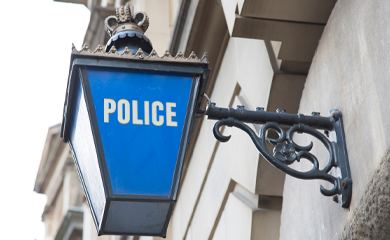
Authorities can help to reunite you with your missing pet. Local council workers can find or notify vets of found pets within the local area. It can result in not being the nicest call but it can give you the closure you need.
What authorities should I contact?
Often local authorities can be the first to know when a pet is collected and where the pet has been taken. Authorities you can contact:
- Contact the local council- often the street cleaning department.
- Contact local Dog Warden
- Contact Network Rail
- Contact the police on 101
Why should I call the council?
It's a distressing call to have to make, but it is important to find out who is responsible for collecting animals that have sadly been involved in road accidents in your area. Your local council will be able to point you in the right direction. You just need to ask for cleansing services, and you will be transferred to the right department. Most local authorities do scan collected animals for microchips, although some don't so it is important for you to know which procedure is followed in your area. If your Local Authority doesn't scan then it will still record the details of the pet so you may need to call regularly whilst your pet is missing.
Important information to pass onto them:
- Detailed description of your pet- identifiable markings etc.
- If your pet is chipped (Microchip number) or neutered
- Type of pet and breed
- Sex of your pet
- Your contact details- Name, number and address
Why should I contact Network Rail?
If you live near a railway line you can contact Network Rail in case they have had any reports of a pet on the tracks. You can not get access to areas close to the tracks, therefore you will need to ask for a member of their team to go and check for you.
How to contact the local dog warden?
If you have lost a dog, you should contact your local dog warden as soon as possible. You can also contact other dog wardens in areas that surround the missing location. It is a legal requirement for a member of the public to report a loose dog to the dog warden, so they are a great source of information.
You can find your local dog warden and contact number here: https://www.animalwardens.co.uk/all-dog-warden-phone-numbers/
9 of 10
Community

When your pet goes missing you do not have to search alone. Using your community to help is important as the more eyes on the ground the better.
Where do I reach out to?
You can reach out to your local community groups, churches, schools, and businesses letting them know that your pet is missing. They can help by distributing and displaying your pet’s missing poster, perhaps putting it on their social media accounts, and schools can also include your pet’s poster in their weekly newsletter or in their weekly assembly, all of which instantly increase awareness. Local scout and guides groups can also help distribute leaflets and posters to neighbours.
Should I talk to my neighbours?
Knocking on neighbours’ doors is a way to let them know about your missing pet and to ask them to keep an eye out. From experience with our Pet Watch community, neighbours often know when new pets enter their gardens compared to the ones that visit regularly and are the perfect people to report sightings and feedback anything they may have noticed since your pet went missing.
A community often comes together when a pet is missing. You can organise a search party, with pairs or small groups taking different routes to cover as much ground as possible.
Ways to reach your community:
- Local lost and found groups on facebook
- Local Schools
- Local community centres
- Local street whatsapp groups
- Local religious buildings
PetWatch
When reporting your missing pet on our website we will notify our PetWatch Community in your area. These are people that have used us in the past or gone through the same situation at some point. They will receive all your missing pet information and photos to keep an eye out for you.
They can reach out to offer you further advice and help via our secure messaging system on our website. Having local people out looking for your missing pet can help you cover more ground than searching alone.
10 of 10
Insurance

Many owners are not aware that their pet insurance can be used to help bring their pet home.
Why do I need to contact my insurance company?
It is important to let your insurance company know that your pet is missing as soon as possible and add this information to your policy. This way, if your pet comes home and needs medical treatment, you will still be covered under your policy. They will let you know what you need to do to ensure that your policy remains valid. You just need to give them a call, ideally within the first few days of your pet going missing and follow their conditions.
How can my insurance company help me find my missing pet?
Your insurance company can offer financial assistance too. With the majority of insurance policies your pet will be covered under the Advertising and Reward section of the policy. This covers costs incurred, up to a certain amount, in trying to get your pet home by paying for third party assistance, like our publicity campaigns, and also allowing you to offer a reward to encourage people to come forward with information.
You can use this cover for:
- Cost of campaign material- Poster and Leaflets
- Cost of paid social media adverts
- To offer a cash reward
- Cost of animal location services- this is rare and not all insurance companies offer this
How do I claim?
All pet insurance policies have limitations, exclusions and conditions, so take the time to read the relevant sections of your policy carefully. If you are in any doubt at all, ideally contact your insurer using their Webchat facility as this will often give you a written record of their advice. We have also found it common that Pet Insurance Advisers do not understand their own policy: in particular, some advisers will confuse ‘Missing Pet Advertising & Reward’ cover with ‘Missing Pet Compensation’. A key indicator of this confusion is if they advise you that you must wait a certain period of time before you can claim – if they say that to you, they are likely looking at the wrong section of the policy.
Once you have confirmation of your cover directly from your insurance company you will need to submit a claims form. Often you can find this on their website but you can ask them to email you a copy or via the post. After submission of the claims form it can take several weeks for them to process it and payout.
Need a hand with a missing or found pet?
Reporting is free. You can also search the pets already reported, or read our advice.